

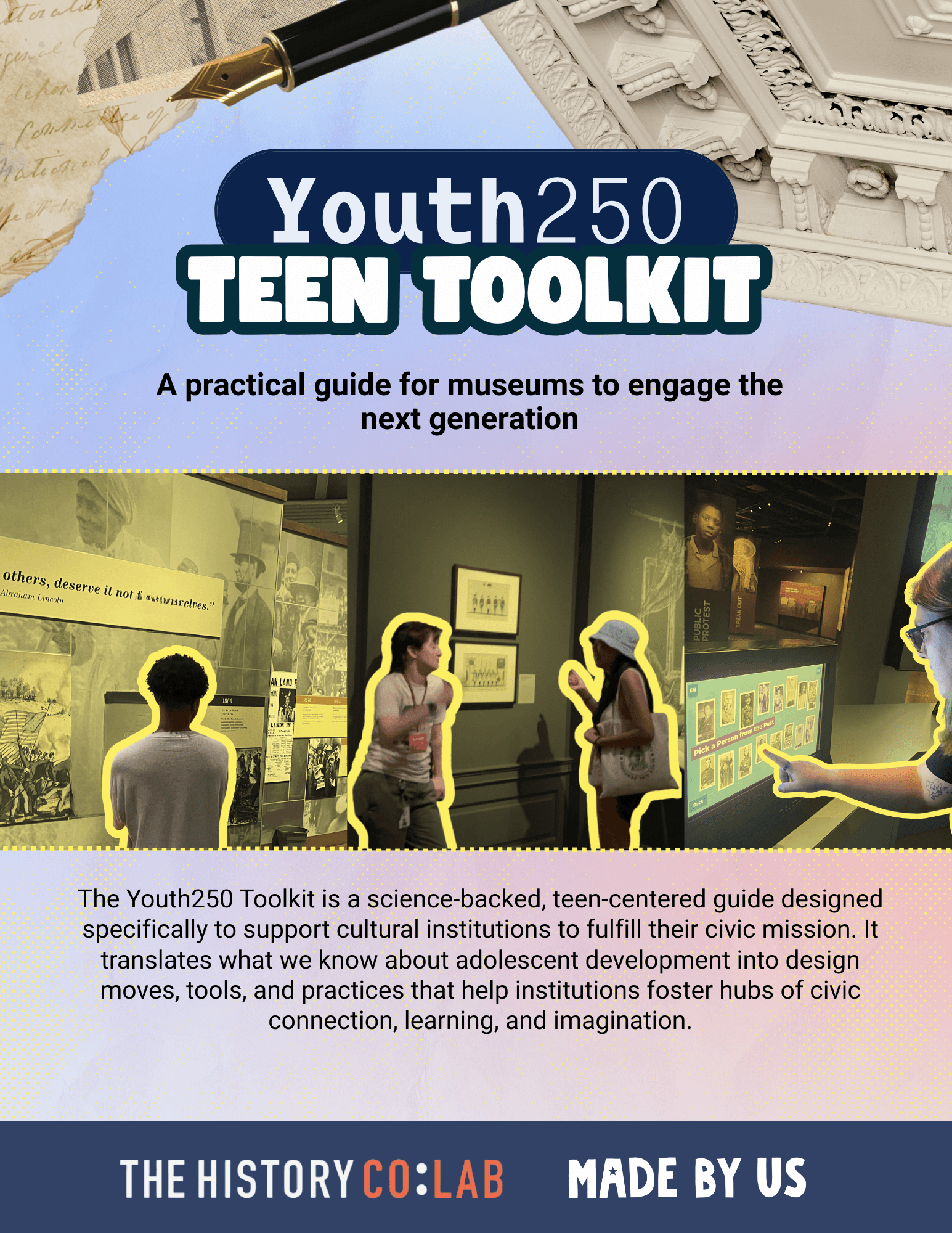
Your organization's roadmap to reach, understand, and empower today’s youth


Start Here
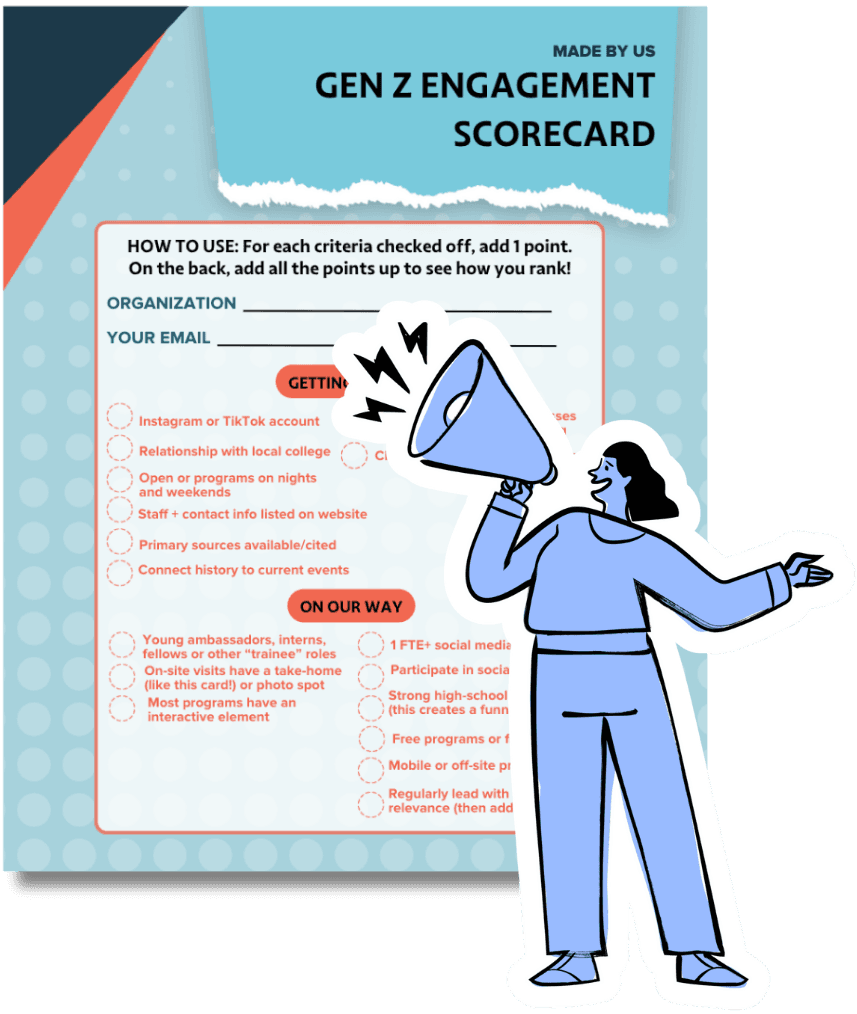
Building a youth-ready organization takes both heart and hands – readiness on the inside and action on the outside. The YouthSync Rubric is your heart check, while the Gen Z Scorecard measures your external impact.
Together, these assessments give you a full picture of how your organization is positioned, prepared and perceived by youth. Come back at frequent intervals to track your progress.
Building a youth-ready organization takes both heart and hands – readiness on the inside and action on the outside. The YouthSync Rubric is your heart check, while the Gen Z Scorecard measures your external impact.
Together, these assessments give you a full picture of how your organization is positioned, prepared and perceived by youth. Come back at frequent intervals to track your progress.
Building a youth-ready organization takes both heart and hands – readiness on the inside and action on the outside. The YouthSync Rubric is your heart check, while the Gen Z Scorecard measures your external impact.
Together, these assessments give you a full picture of how your organization is positioned, prepared and perceived by youth. Come back at frequent intervals to track your progress.
Gen Z Scorecard
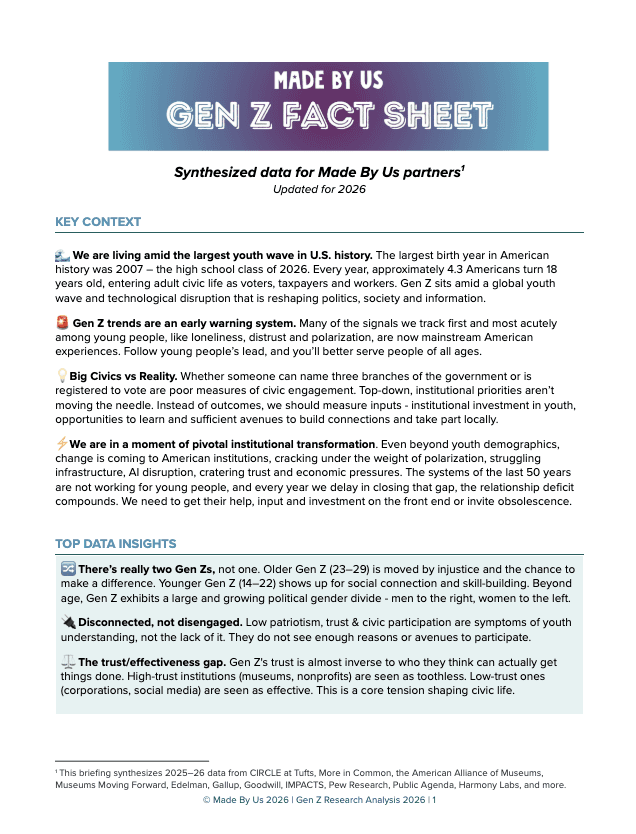
400 organizations have taken the scorecard to date – explore the data or read about the findings.
400 organizations have taken the scorecard to date.
Just Give Me The Guides!

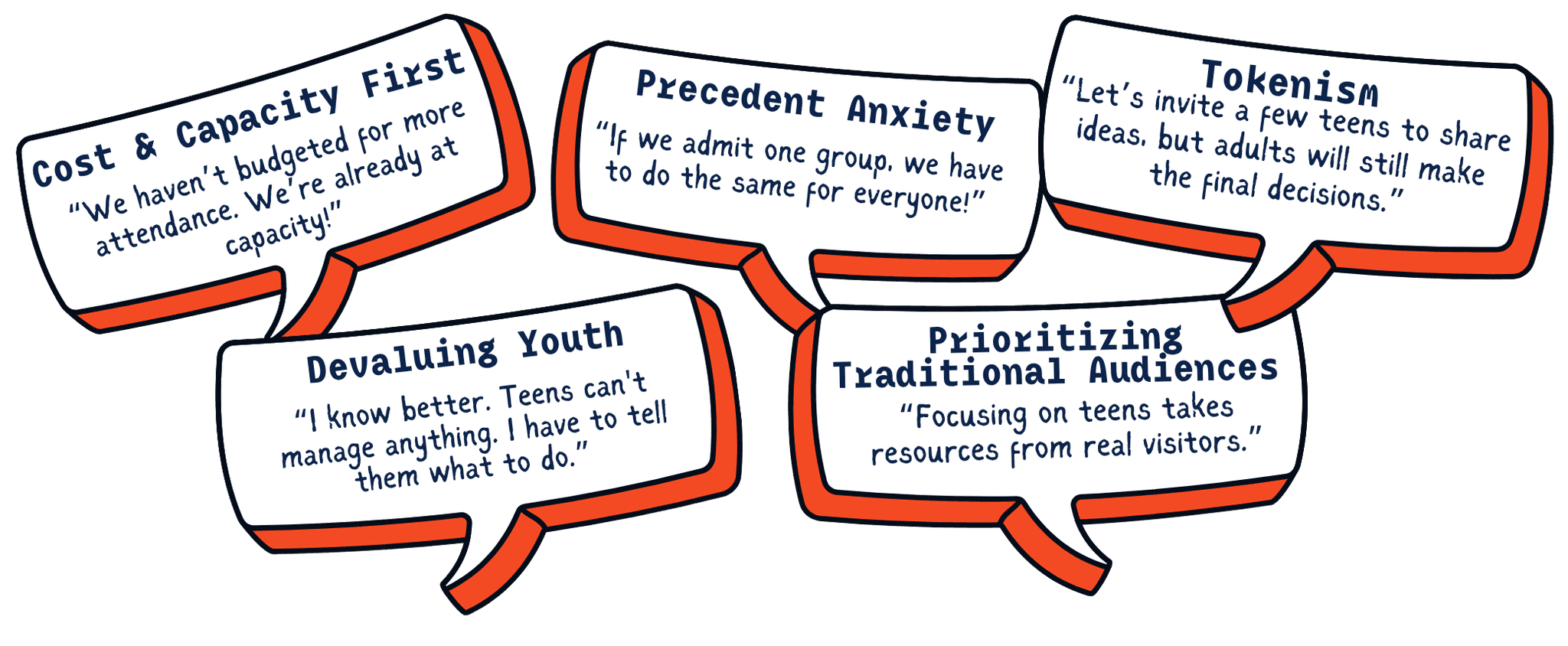
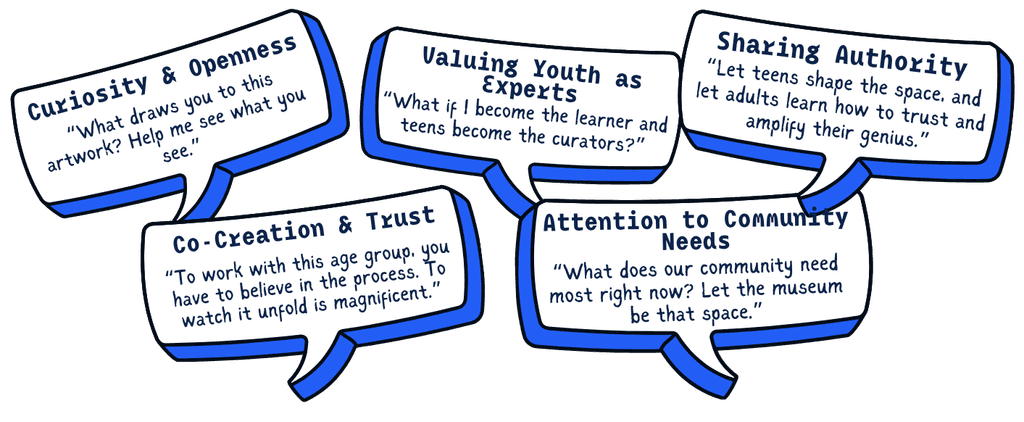
Resistant to Playful Mindsets
Resistant to Playful Mindsets
Becoming a youth-centered space starts with shifting your organization's internal mindset. Swipe back and forth between the images.Which sounds more familiar in your workplace?
Becoming a youth-centered space starts with shifting your organization's internal mindset. Swipe back and forth between the images. Which sounds more familiar in your workplace?

Who are youth? Let's meet the future.
Who are youth? Let's meet the future.
Who are youth? Let's meet the future.
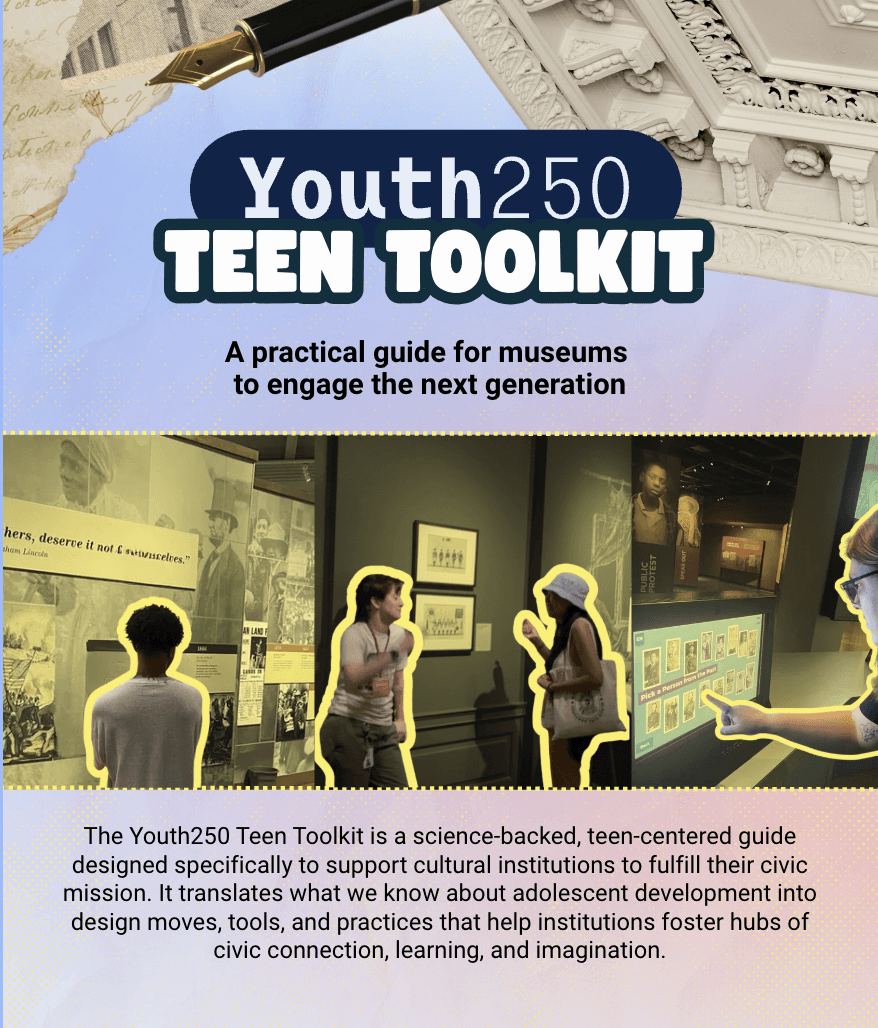
Dive into the circumstances, science and reality of two intersecting stages of life that are critical to civic development: adolescence and young adulthood.
Dive into the circumstances, science and reality of two intersecting stages of life that are critical to civic development: adolescence and young adulthood.
Adolescence
GEN ALPHA TODAY | Born 2000 - 2015
GEN ALPHA | Born 2000 - 2015
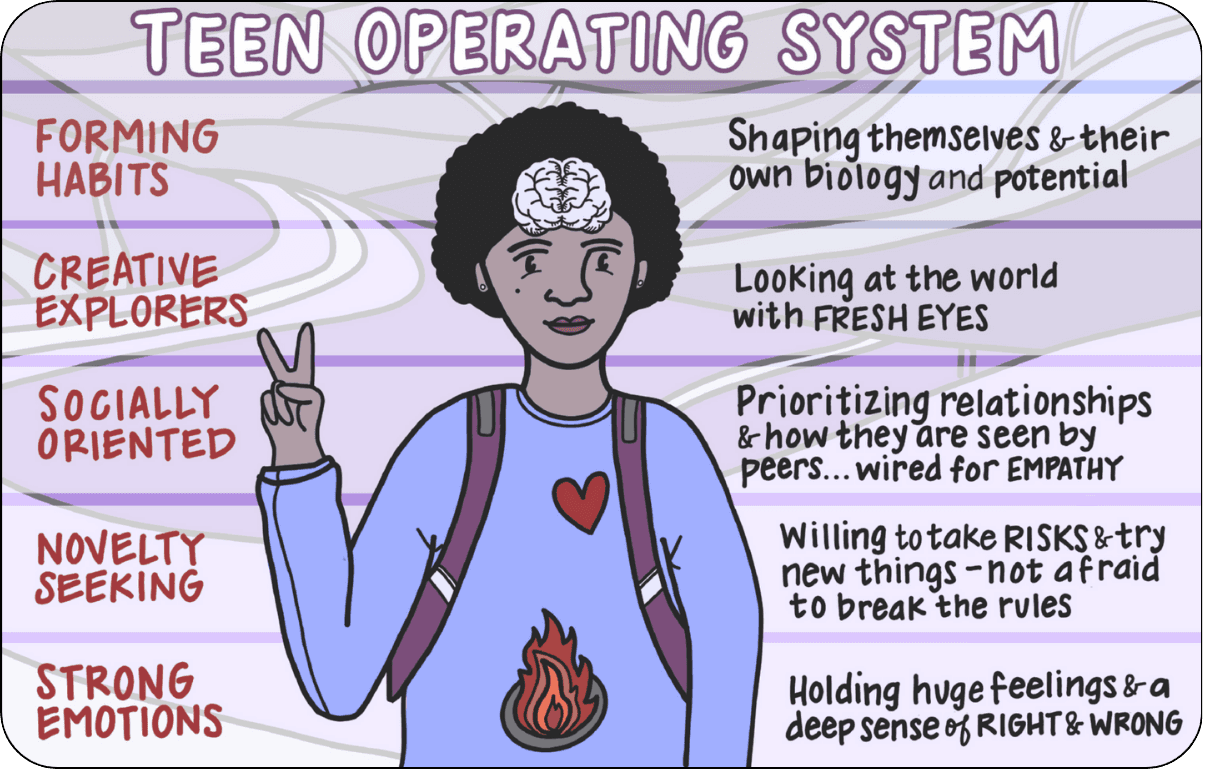
Adolescence is a 15-year period, from age 10 to age 25, of intense neural and social reorganization; habits, identity, values, and purpose take root and stabilize during adolescence.. Scientists describe it as the second most critical window of development after infancy. It is also the period most often misunderstood. This operating system runs on five core features: habit formation, creative exploration, social orientation, novelty seeking, and emotional intensity.
Adolescence is a 15-year period, from age 10 to age 25, of intense neural and social reorganization; habits, identity, values, and purpose take root and stabilize during adolescence. Scientists describe it as the second most critical window of development after infancy. It is also the period most often misunderstood. This operating system runs on five core features: habit formation, creative exploration, social orientation, novelty seeking, and emotional intensity.
Young Adulthood
GEN Z TODAY | Born 1995 - 2007
GEN Z | Born 1995 - 2007
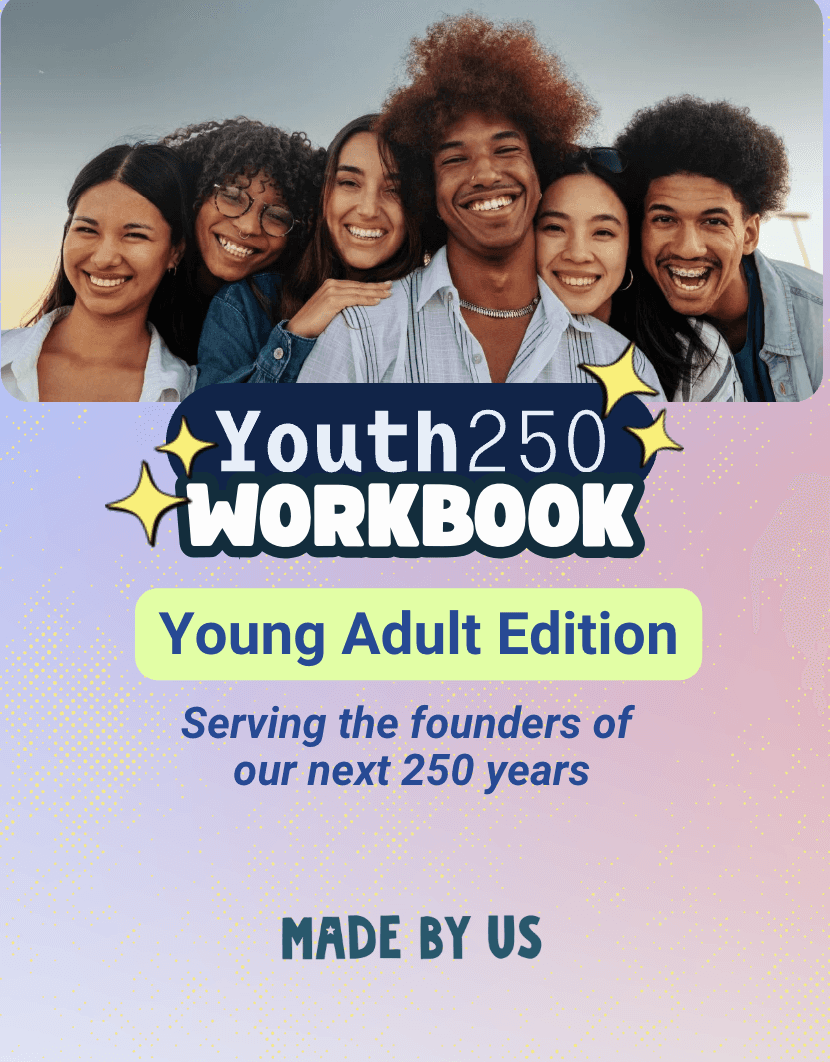
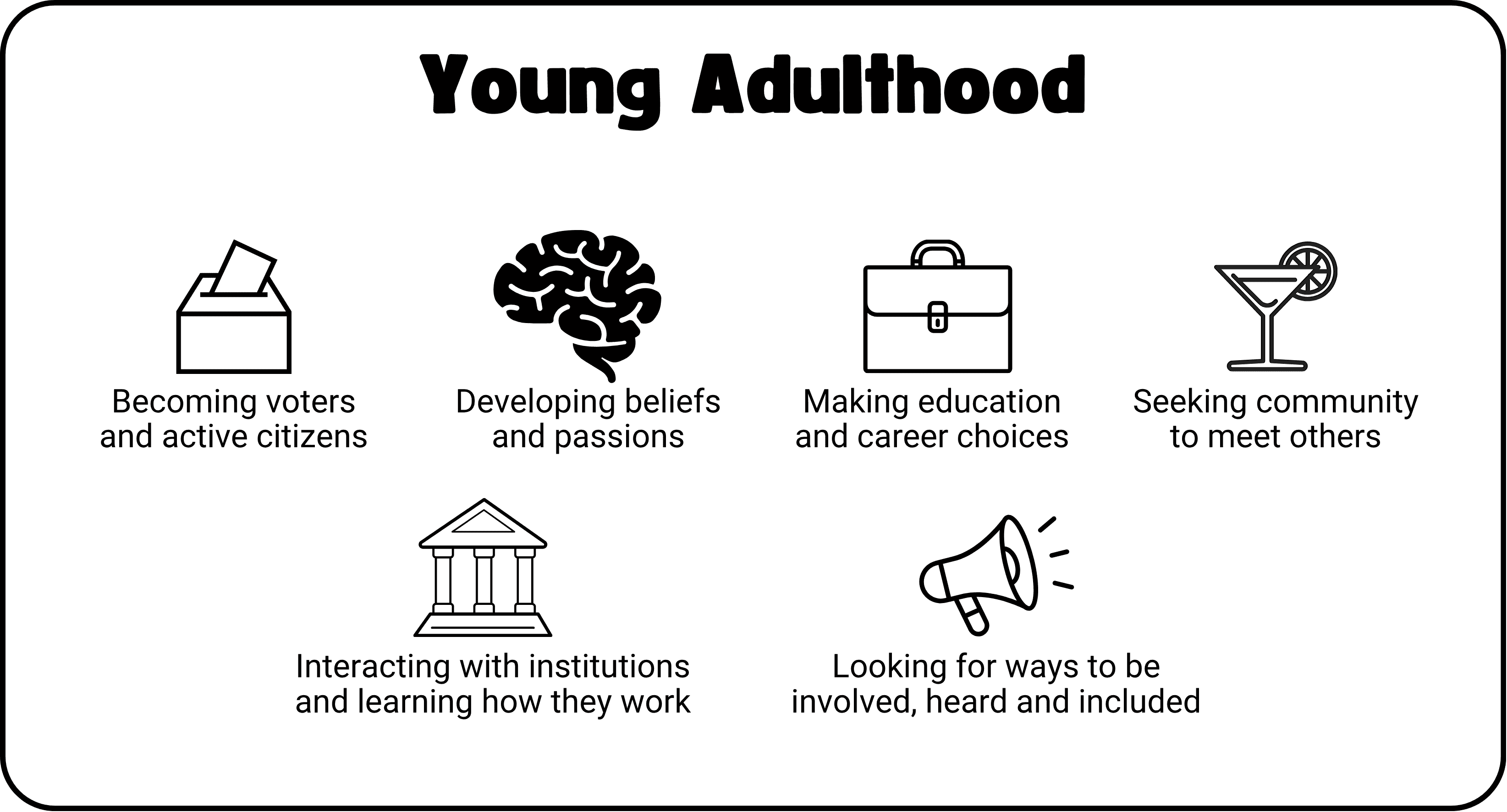
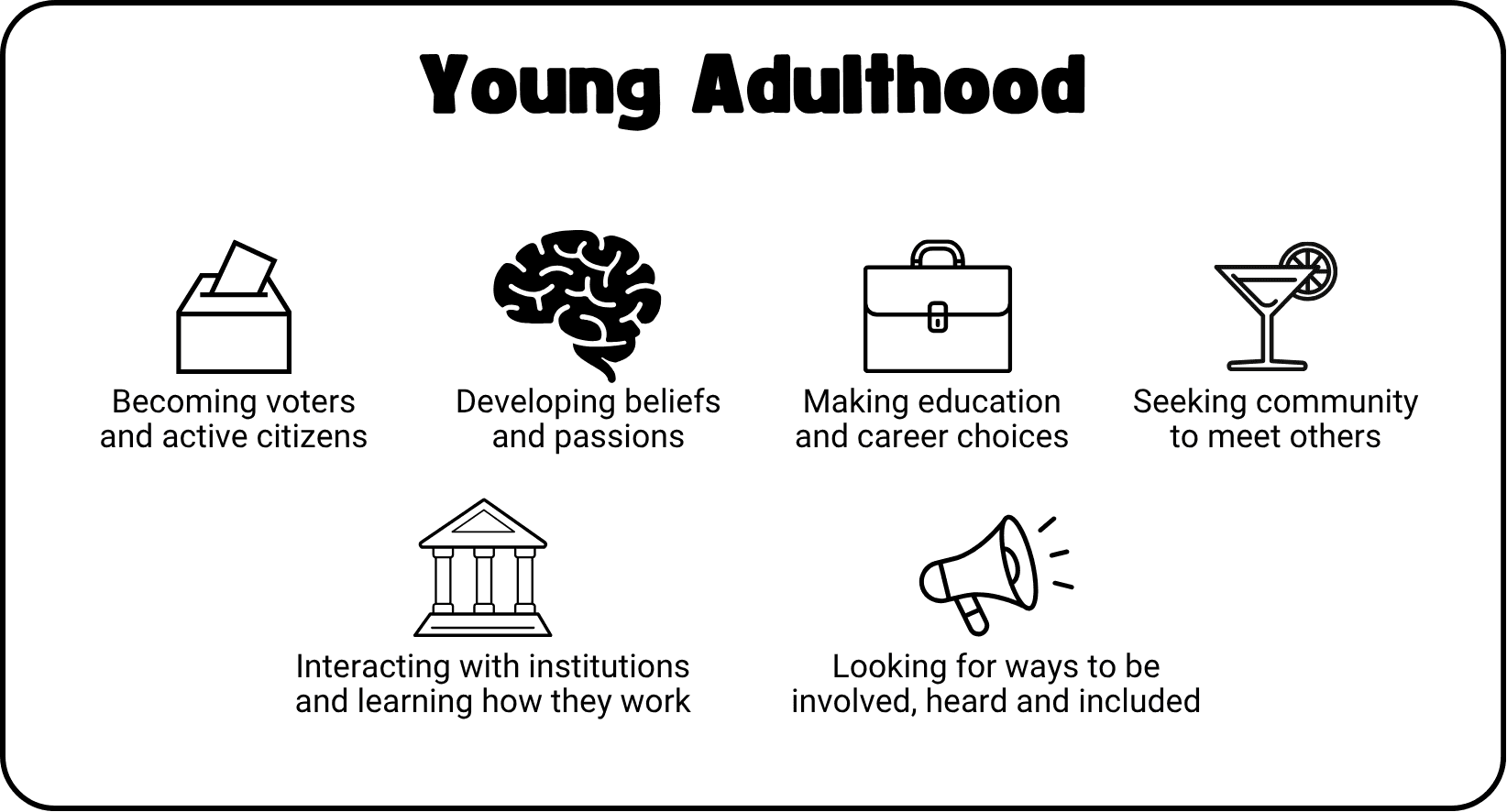
Young adulthood is a pivotal stage of life, roughly spanning ages 18 to 30, marked by ongoing brain development, expanding independence, and deep social and moral formation. It’s the time when identity, purpose, and worldview solidify through exploration, risk-taking, and connection
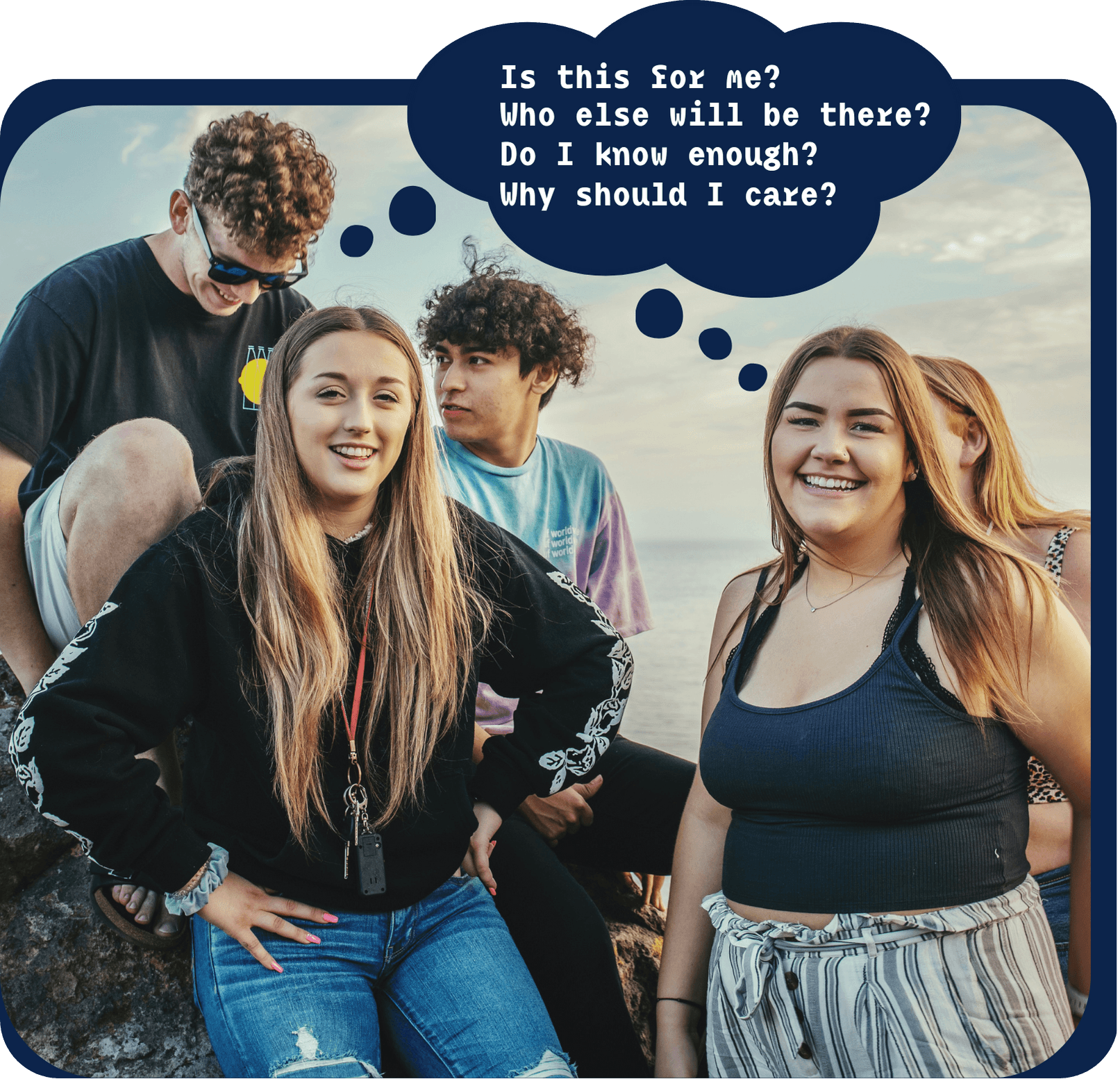
Our research shows that young adults are asking four key questions when it comes to participating in civic life: Is this for me? Who else will be there? Do I know enough? Why should I care?
The 7 Domains of Youth Civic Thriving
The 7 Domains of Youth Civic Thriving
The 7 Domains of Youth Civic Thriving
What do teens need?
At the core of youth-centered partnership is understanding young peoples' needs. The 7 Domains for Civic Thriving offer a framework for reflection and action. Each domain represents a different way young people might seek to navigate, grow, and engage, and can help adults be intentional about supporting teens no matter what they may be needing or longing for.
A place to BELONG
A place to BE
A place to BECOME
A place to CONNECT
A place to LEARN
A place to DO
A place to LEAD
Case Studies from Museums
A Place to BELONG
Contemporary Arts Center | Cincinnati, OH
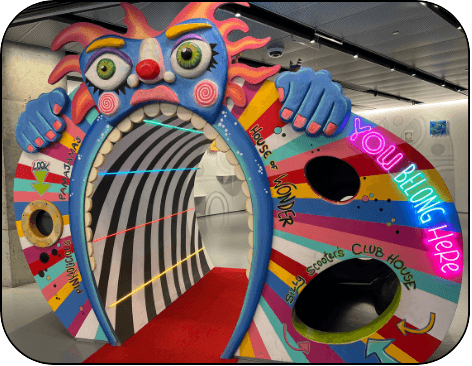
An installation, “You Belong Here” by Cincinnati artist Pam Kravetz and collaborators (Pam & Co), greets guests with a joyful invitation to enter through the mouth of a giant character named Kingsley. The installation celebrates play, humor, and creative expression as vital entry points for learning and connection.
What This Does For Youth
By treating play as pedagogy and addressing visitors directly, the CAC positions the museum as a participatory space rather than a passive one. The design invites curiosity, experimentation, and laughter. Affirming imagination as expertise reinforces confidence and intrinsic motivation (Allen et al., 2018).
A Place to BE
Walker Arts Center | Minneapolis, MN
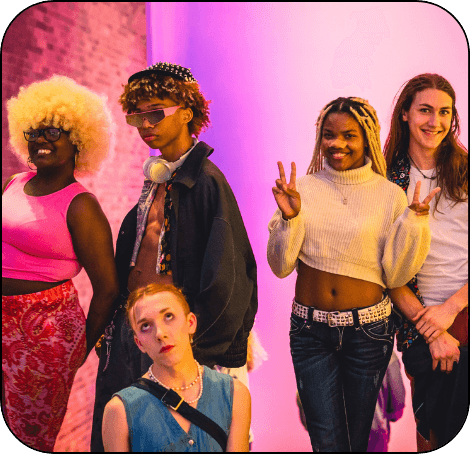
The Walker Art Center has offered free gallery admission for visitors 18 and under since 2016, making art accessible to young people every day. Its long-running Walker Art Center Teen Arts Council (WACTAC) co-creates events like Teen Takeover and Teen Art Lounge, shaping a museum culture where teens feel welcome to make, rest, or simply be.
What This Does For Youth
By pairing open access with teen-driven programming, the Walker models trust: teens belong even when they’re not producing or performing. Quiet sketching, lively debate, or still observation all count as participation. The result is a living example of how a museum can hold both rest and resonance.
A Place to BECOME
Oklahoma City National Memorial & Museum | Oklahoma City, OK
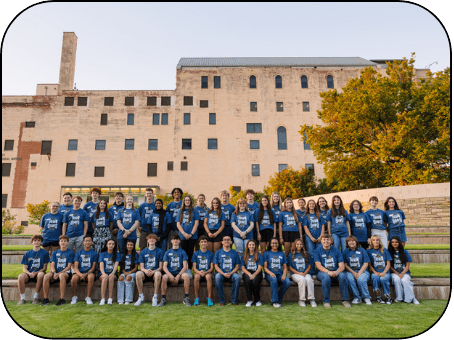
Founded in 2023, the Teen Board brings together high school students from across Oklahoma to explore the moral and civic lessons of the 1995 bombing. Members meet monthly for dialogue, service, and public engagement - partnering with survivors, staff, and civic leaders to interpret The Oklahoma Standard (Service, Honor, Kindness) as a living ethic. Projects include youth-led remembrance ceremonies, community art, and peer education initiatives.
What This Does For Youth
The Teen Board turns remembrance into civic practice. Participants learn that memory carries responsibility and that empathy requires action. Through engagement with living history, teens develop ethical reasoning, compassion, and a sense of purpose grounded in community care.
A Place to CONNECT
SLB Radio at the Children’s Museum of Pittsburgh | Pittsburgh, PA
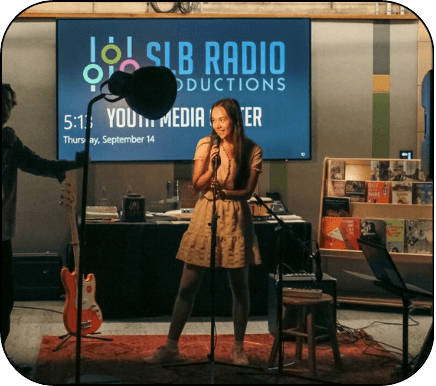
SLB Radio’s Youth Media Center, located within the Children’s Museum of Pittsburgh, operates as a living studio where teens record, edit, and broadcast stories that connect generations. Through free afterschool and summer programs, youth producers interview peers, elders, and civic leaders about local history and contemporary life. Their work airs on public radio and online, giving teens a microphone, an audience, and authentic community reach.
What This Does For Youth
By amplifying community voices, SLB cultivates empathy, listening, and civic confidence. Teens become historians and bridge-builders, learning that storytelling is both creative expression and civic participation. They develop technical and interpersonal fluency, skills rooted in curiosity, ethics, and connection.A Place to LEARN
The Museum of Kansas City & Kauffman Foundation Real World Learning
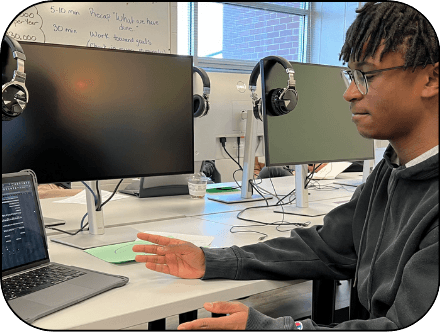
The Museum of Kansas City engages high-school students in authentic, project-based experiences. Through Client Connected Projects (CCPs), teens collaborate with museum staff to design exhibits, create media, and solve institutional challenges, from audience engagement to interpretation. These projects align with district competencies so students earn academic credit while contributing to their city’s cultural life.
What This Does For Youth
By working with the museum as a real client, students experience learning that is purposeful, public, and community-centered. The museum becomes a living classroom where teens practice collaboration, design thinking, and civic creativity that builds skills that translate into future careers and civic contribution.A Place to DO
Conner Prairie | Fishers, IN
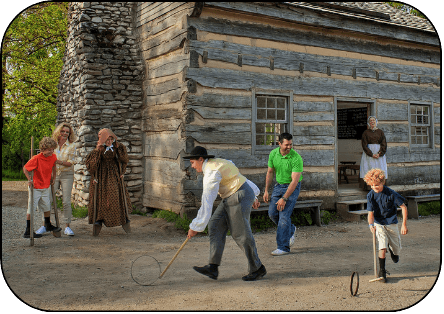
At Conner Prairie, young people ages 10-18 step into authentic historical roles as interpreters and storytellers. Through training, youth don period clothing, research 19th-century life, and guide visitors through living-history experiences. Participants aren’t just learning about the past. They are the experience, connecting curiosity, care, and community through active interpretation.
What This Does For Youth
By engaging the public directly, youth learn that interpreting history builds public trust and connects personal agency to shared memory. The visible trust placed in them deepens pride, responsibility, and belonging, transforming a museum visit into an experience of civic learning.A Place to LEAD
Missouri Historical Society | St. Louis, MO
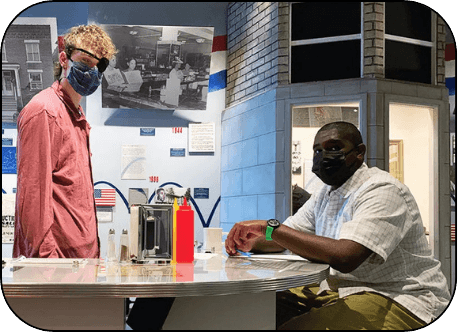
Through the Teens Make History program, the Missouri Historical Society hires high school apprentices to research, design, and perform public history projects. Teens work alongside historians, educators, and exhibit developers to interpret stories that matter to their generation and community. They learn how museums make decisions, balancing accuracy, empathy, and voice, while contributing to real exhibitions and public programs.
What This Does For Youth
By engaging teens as collaborators rather than observers, MHS models shared leadership and transparent decision-making. Apprentices experience the responsibility of representing history in public, gaining skills in communication, project management, and civic storytelling.
A Place to BELONG
Contemporary Arts Center | Cincinnati, OH
An installation, “You Belong Here” by Cincinnati artist Pam Kravetz and collaborators (Pam & Co), greets guests with a joyful invitation to enter through the mouth of a giant character named Kingsley. The installation celebrates play, humor, and creative expression as vital entry points for learning and connection.
What This Does For Youth
By treating play as pedagogy and addressing visitors directly, the CAC positions the museum as a participatory space rather than a passive one. The design invites curiosity, experimentation, and laughter. Affirming imagination as expertise reinforces confidence and intrinsic motivation (Allen et al., 2018).
A Place to BE
Walker Arts Center | Minneapolis, MN
The Walker Art Center has offered free gallery admission for visitors 18 and under since 2016, making art accessible to young people every day. Its long-running Walker Art Center Teen Arts Council (WACTAC) co-creates events like Teen Takeover and Teen Art Lounge, shaping a museum culture where teens feel welcome to make, rest, or simply be.
What This Does For Youth
By pairing open access with teen-driven programming, the Walker models trust: teens belong even when they’re not producing or performing. Quiet sketching, lively debate, or still observation all count as participation. The result is a living example of how a museum can hold both rest and resonance.
A Place to BECOME
Oklahoma City National Memorial & Museum | Oklahoma City, OK
Founded in 2023, the Teen Board brings together high school students from across Oklahoma to explore the moral and civic lessons of the 1995 bombing. Members meet monthly for dialogue, service, and public engagement - partnering with survivors, staff, and civic leaders to interpret The Oklahoma Standard (Service, Honor, Kindness) as a living ethic. Projects include youth-led remembrance ceremonies, community art, and peer education initiatives.
What This Does For Youth
The Teen Board turns remembrance into civic practice. Participants learn that memory carries responsibility and that empathy requires action. Through engagement with living history, teens develop ethical reasoning, compassion, and a sense of purpose grounded in community care.
A Place to DO
Conner Prairie | Fishers, IN
At Conner Prairie, young people ages 10-18 step into authentic historical roles as interpreters and storytellers. Through training, youth don period clothing, research 19th-century life, and guide visitors through living-history experiences. Participants aren’t just learning about the past. They are the experience, connecting curiosity, care, and community through active interpretation.
What This Does For Youth
By engaging the public directly, youth learn that interpreting history builds public trust and connects personal agency to shared memory. The visible trust placed in them deepens pride, responsibility, and belonging, transforming a museum visit into an experience of civic learning.A Place to LEAD
Missouri Historical Society | St. Louis, MO
Through the Teens Make History program, the Missouri Historical Society hires high school apprentices to research, design, and perform public history projects. Teens work alongside historians, educators, and exhibit developers to interpret stories that matter to their generation and community. They learn how museums make decisions, balancing accuracy, empathy, and voice, while contributing to real exhibitions and public programs.
What This Does For Youth
By engaging teens as collaborators rather than observers, MHS models shared leadership and transparent decision-making. Apprentices experience the responsibility of representing history in public, gaining skills in communication, project management, and civic storytelling.
What about young adults?
Similarly to the multi-dimensional nature of adolescent thriving, young adults are inhabiting a complex ecosystem and a unique stage of life. Our work shows that young people are asking four key questions when it comes to participating in civic life: Is this for me? Who else will be there? Do I know enough? Why should I care? View the full workbook or bring elements back to your organization to help you plan to serve Gen Z at the U.S. 250th - and beyond.

Learning Library
Tip sheets, activities and worksheets for internal planning and reflection
Mini Kits
MINI-KIT
RAPID RESPONSE
Build your agility and responsiveness to adapt to new trends and information. Read.
MINI-KIT
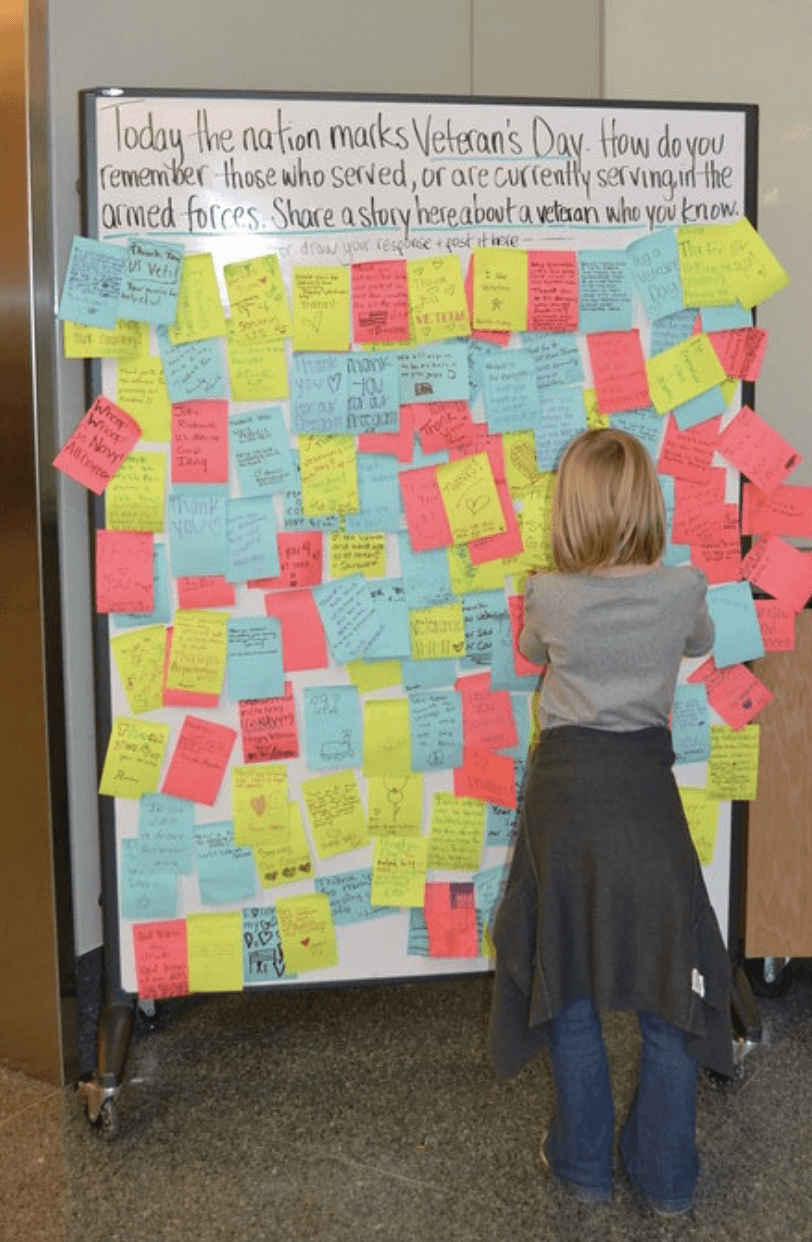
Create a Youth Advisory Board
Formalize youth input with an advisory board, council or committee. Deck and Checklist.
MINI-KIT
RAPID RESPONSE
Build your agility and responsiveness to adapt to new trends and information. Read.
Tip Sheets


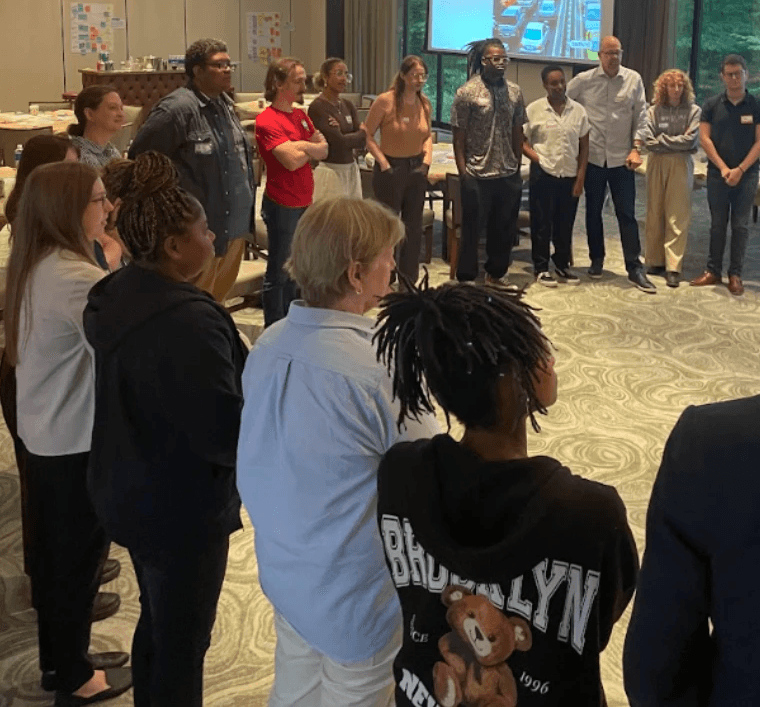
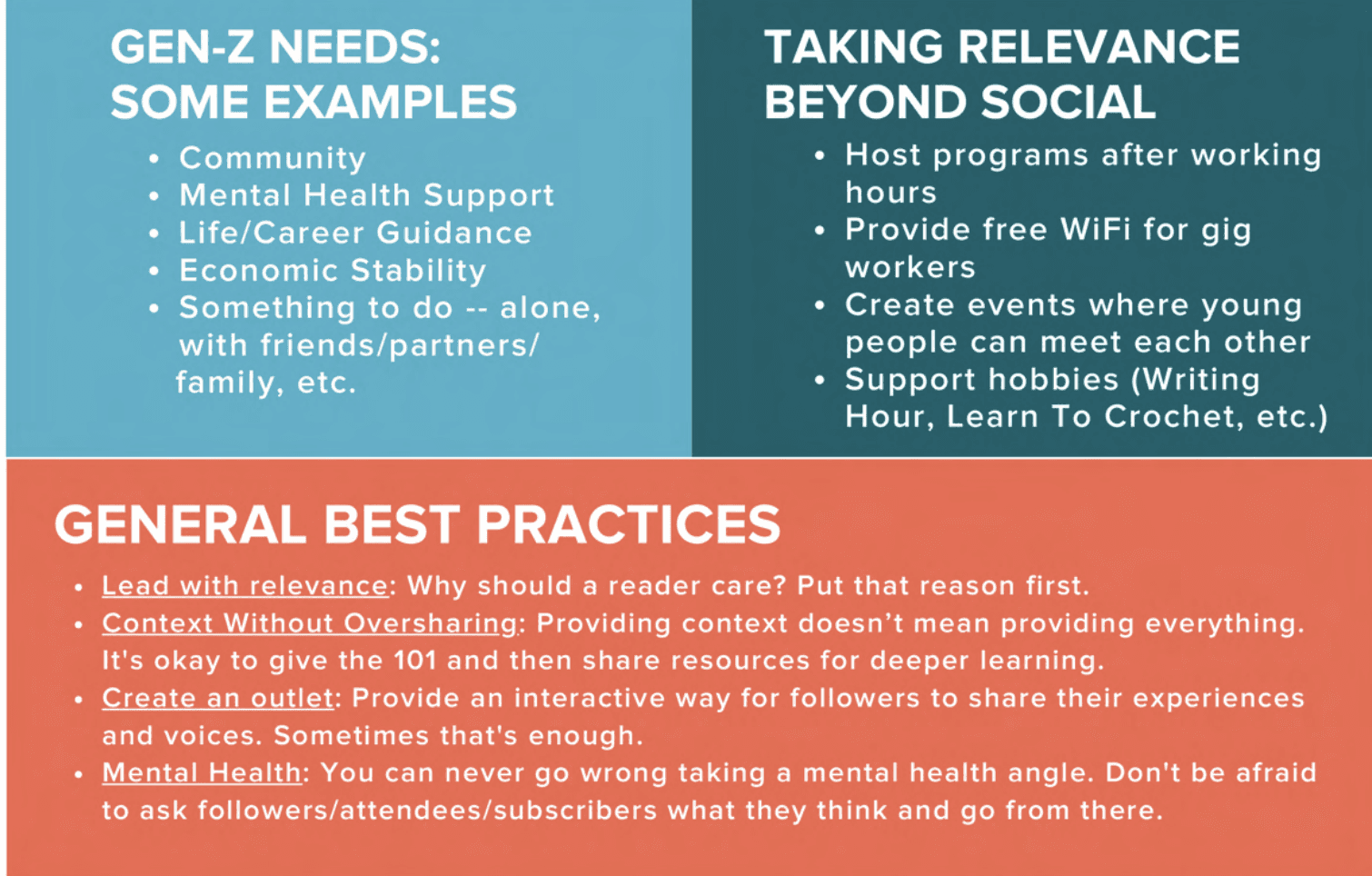
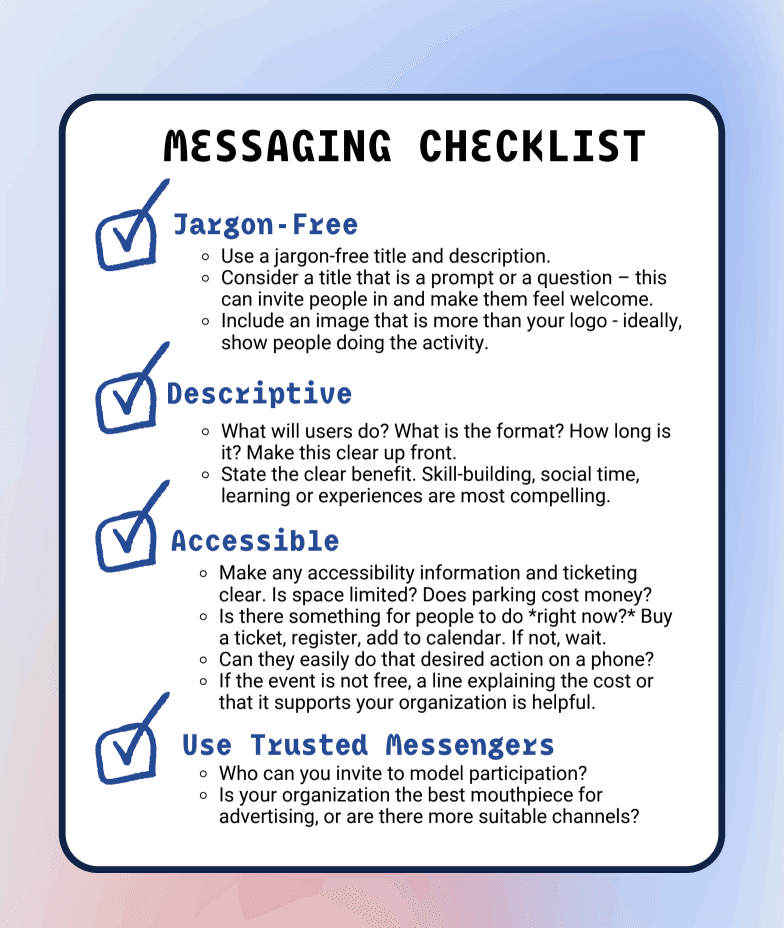



Idea Bank
Tested programs and case studies you can use or adapt.

Sign up for our newsletter
Made By Us © 2025
Sign up for our newsletter
Made By Us © 2025